
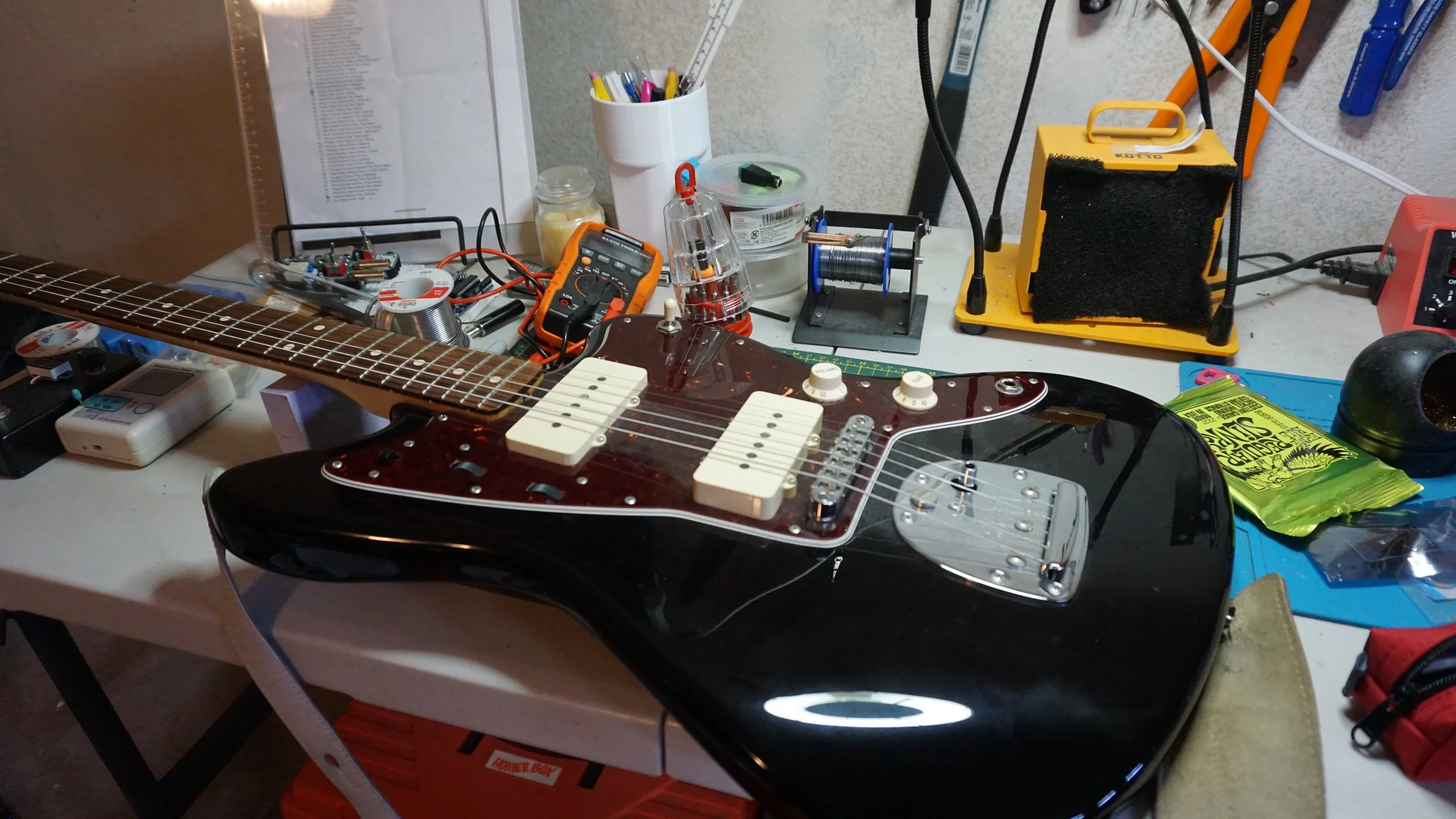
Couple days ago, my Made-In-Mexico (MIM) Fender Jazzmaster suddenly went silent. This wasn't entirely a surprise; I had been experiencing intermittent issues with the rhythm circuit switch in the days leading up to the complete failure. Specifically, engaging the rhythm mode resulted in weak-to-zero output, effectively leaving me with only the lead circuit.
Despite my extensive experience and expertise in building pedals and amplifiers, my skills are quite limited when it comes to working on my guitars beyond basic re-stringing. My attempts to learn how to intonate them, for instance, have been unsuccessful. When I took this Jazzmaster in for a professional setup, the technician immediately pointed out that I had installed the bridge backward. Nevertheless, I saw this as a valuable chance to become more familiar with my own gear. I figured that even if I made a major mistake, I could rely on the numerous local guitar shops to correct any errors.
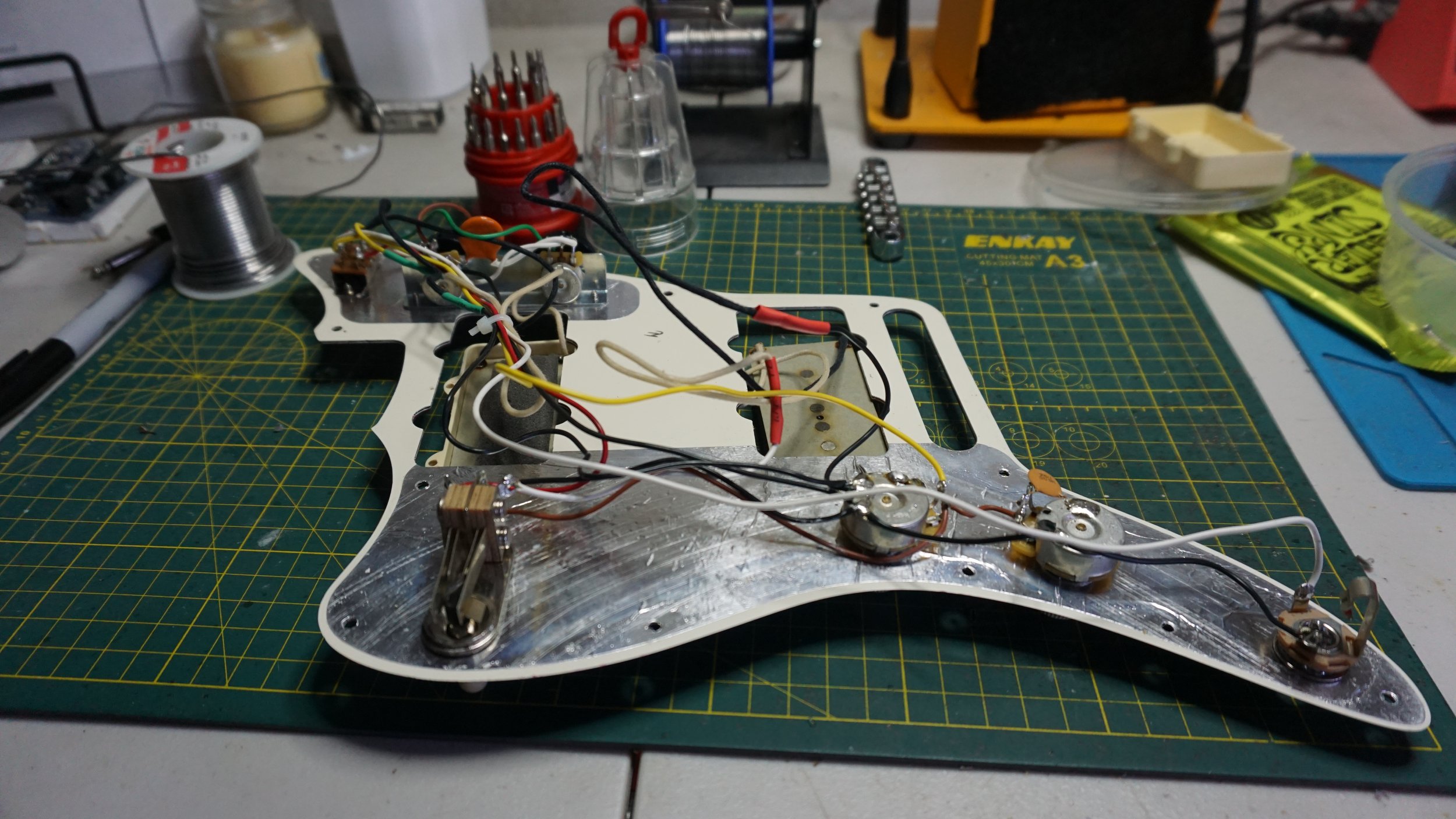
Original wiring.
Upon opening the guitar to troubleshoot the wiring, I made a somewhat impulsive decision: a complete overhaul. Or rather a reduction. During the guitar's downtime, I had been playing my Telecaster more and more, and I slowly came to the realization that I rarely, if ever, fully utilized or even truly understood the whole point of the complex rhythm circuit on the Jazzmaster. It felt like an unnecessary feature for my playing style.
Inspired by the simplicity and functionality of my Telecaster, I decided to re-wire the Jazzmaster to mimic that setup: a straightforward three-way switch offering bridge pickup, bridge and neck in parallel, and neck pickup configurations. This simplification was an upgrade in utility for me.
This re-wiring endeavor provided an opportunity to tackle several persistent issues. The initial installation of my Curtis Novak pickups had been a poor, rushed job, so I took the time to completely redo most of the wiring. For this, I used cloth-wrapped solid core wire leftover from an amplifier project a couple of years ago.
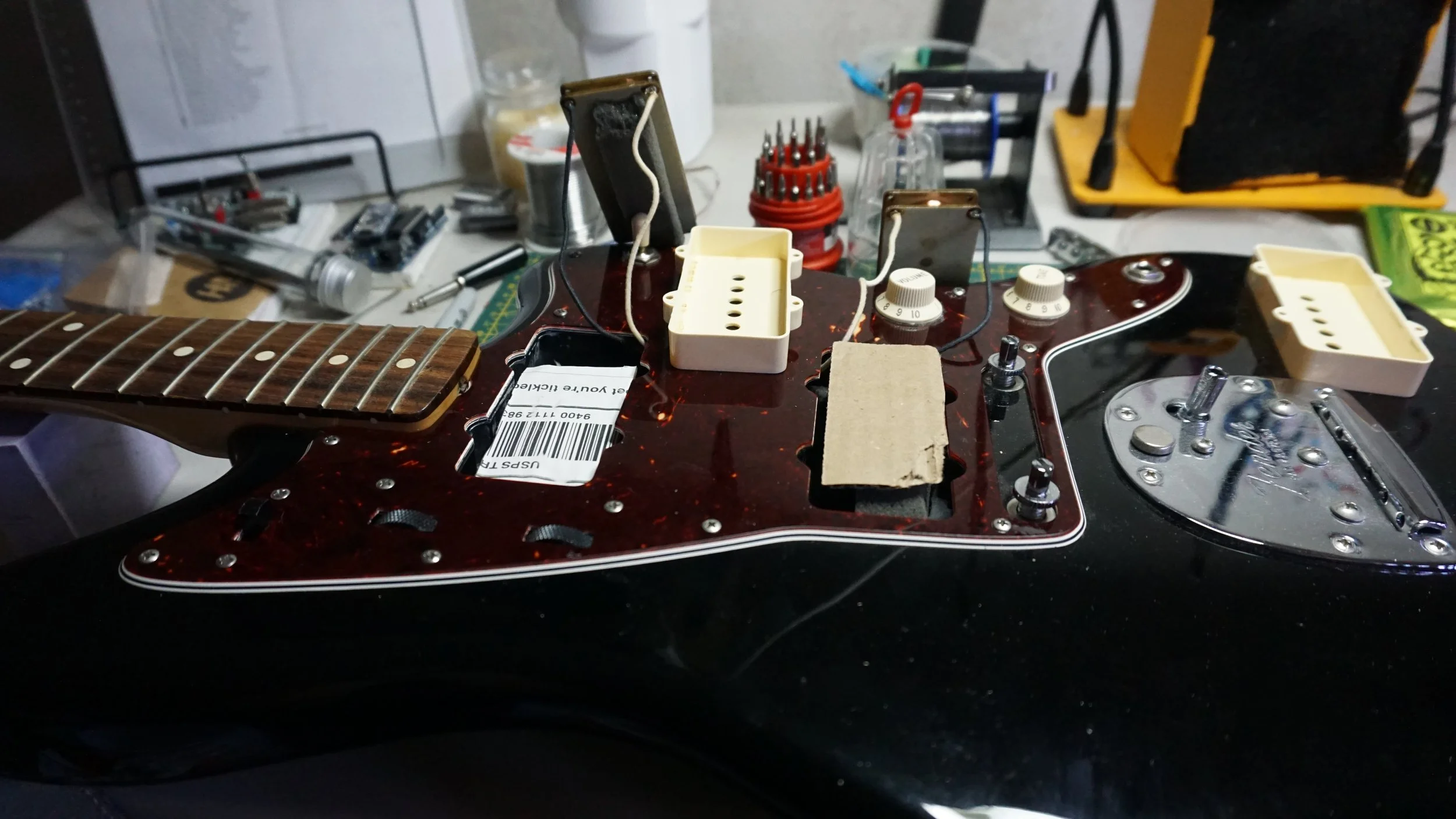
Previous technician had used cardboard as pick-up risers, which is fine. I had previously used bubble wrap.
Despite having the guitar professionally set up last year (intonation, an electronics review, and the addition of neck shims), I was still wary of the quality of the work. The technician, while having a massive online following, came across as somewhat "sketchy." A minor detail that exemplified this was his inelegant use of small pieces of cardboard as makeshift pickup risers. Though functional (I had previously used bubble wrap for the same purpose), it felt like a temporary and unsophisticated fix.
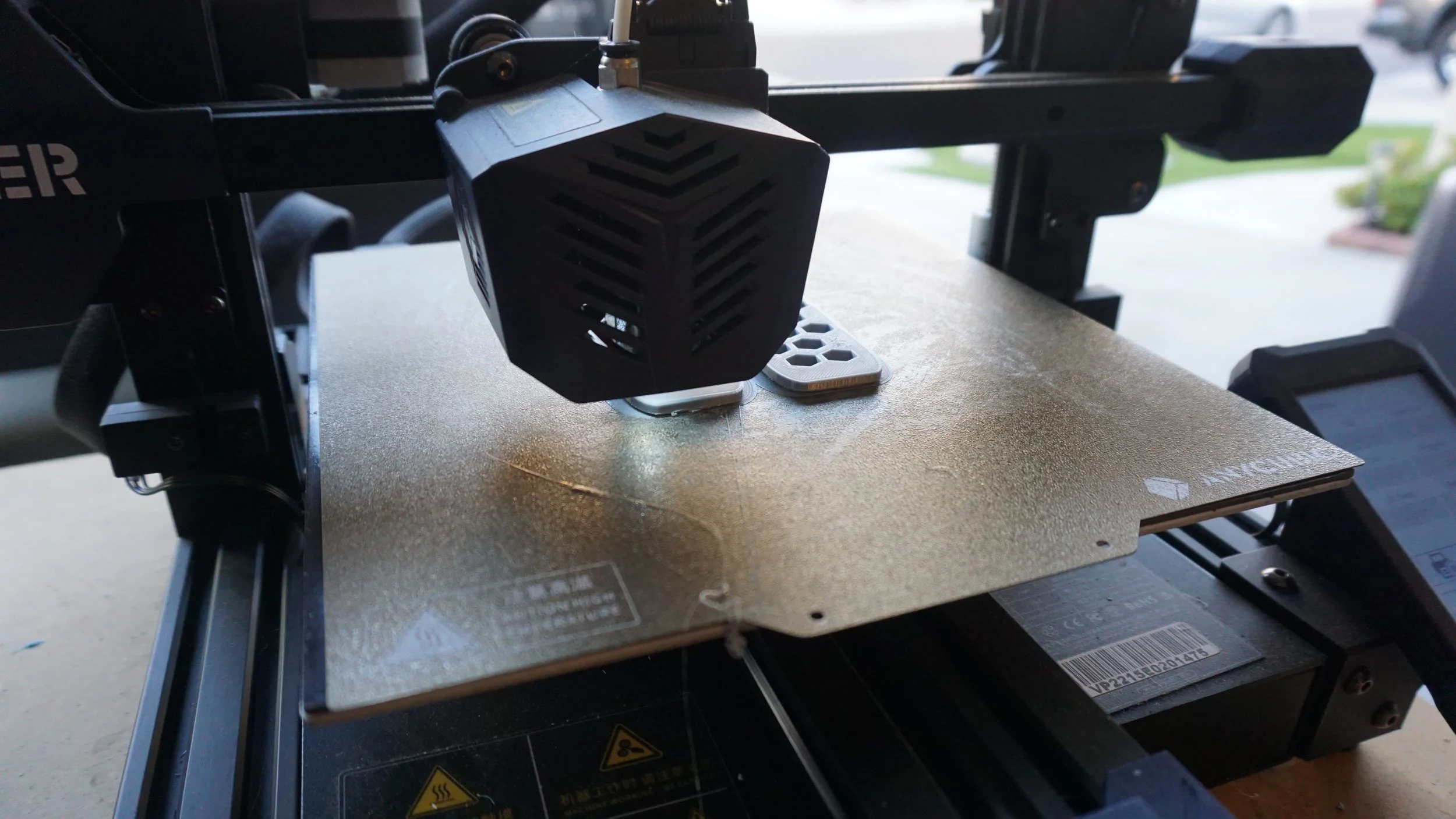
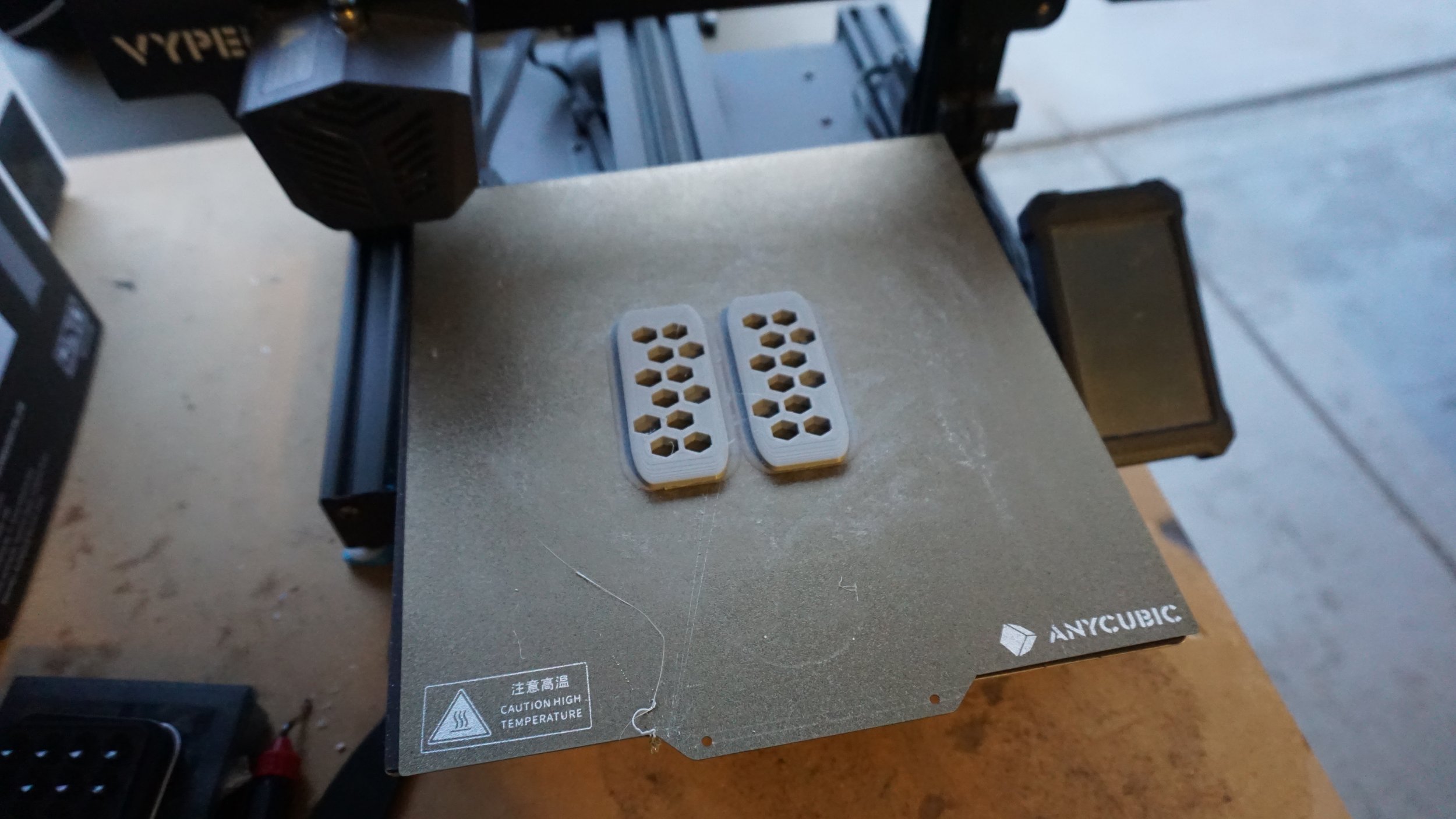
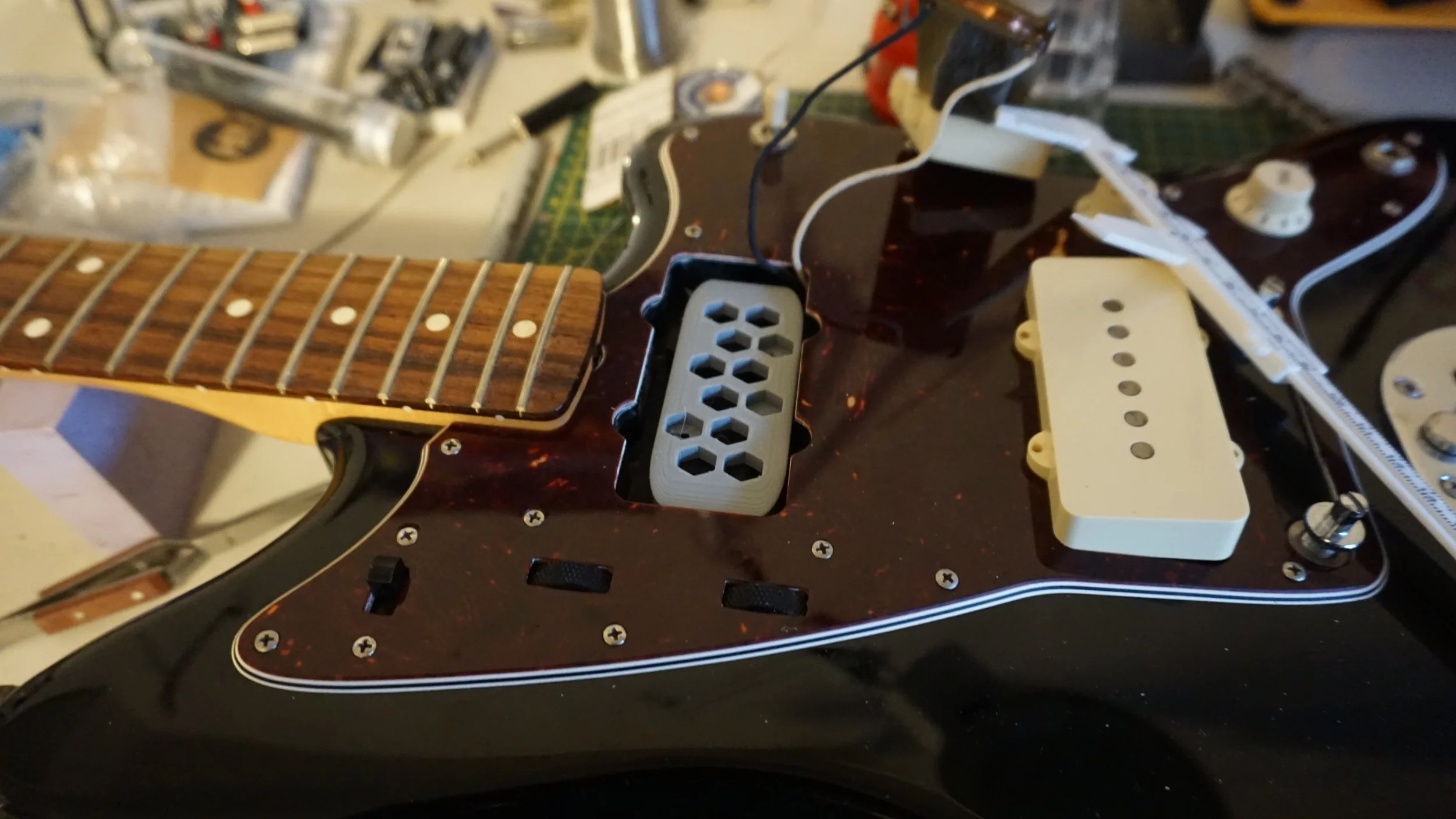
As part of this comprehensive upgrade, I decided to tackle the risers. Leveraging access to a 3D printer, I designed and fabricated custom, solid risers to replace the cardboard pieces, providing a more stable and professional platform for the pickups.
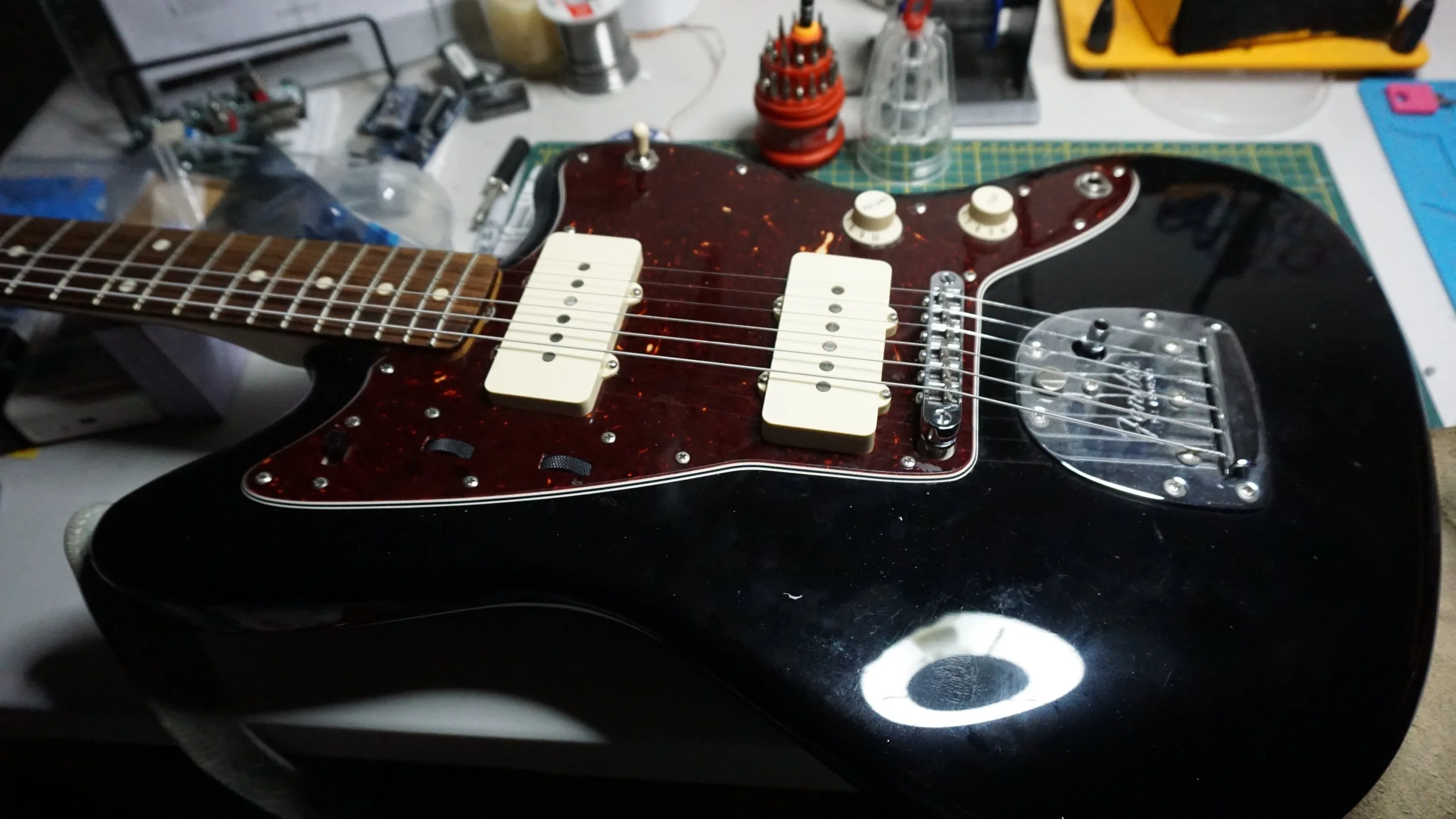
In the end, what started as a simple repair evolved into a significant de-customization project. This final product is a Jazzmaster that now perfectly aligns with my preferences, both in terms of wiring simplicity and component (wiring) quality.